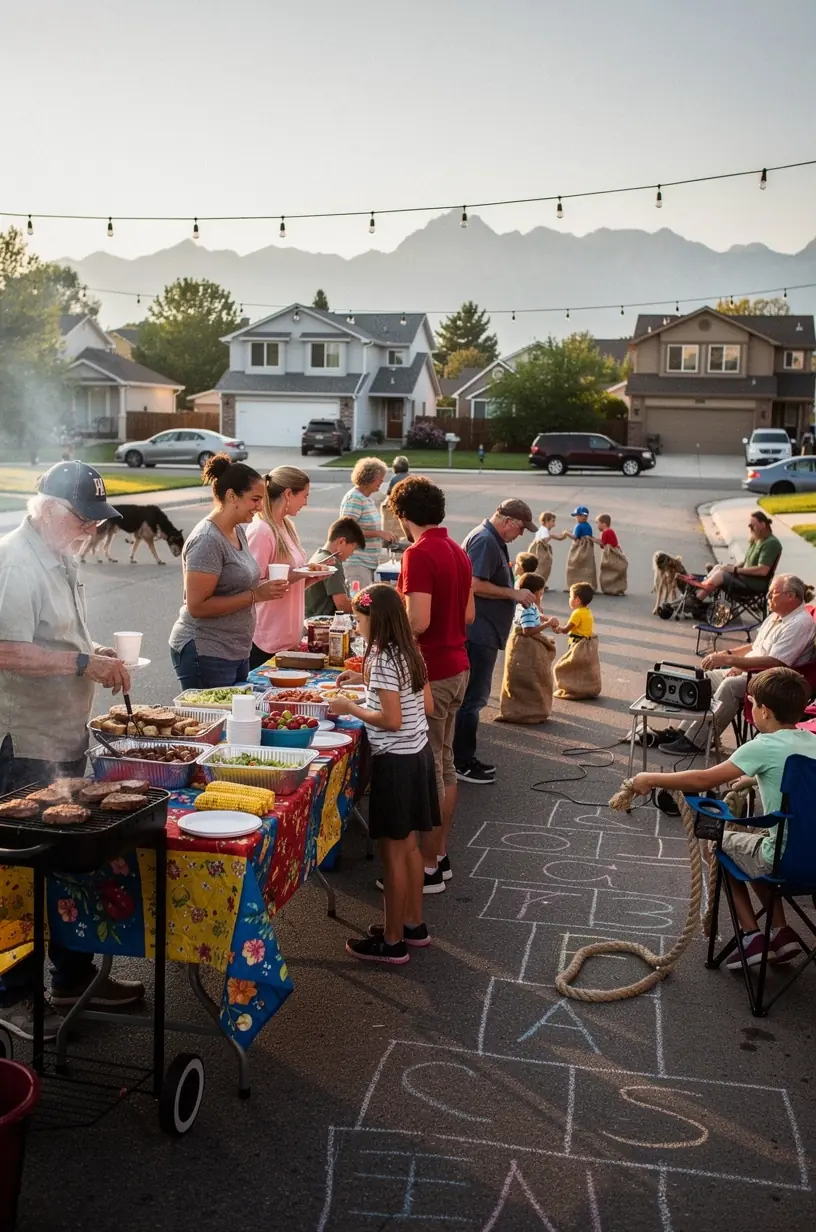
How Community Events Reflect Cultural Trends
Community events have long served as a mirror to the cultural landscape, offering insights into evolving lifestyles and societal values. Understanding these shifts can provide valuable context for individuals and organizations alike.
The Significance of Community Events
According to sociological research, community events often represent the collective aspirations and concerns of a population. These gatherings can range from local farmers' markets to cultural festivals, each showcasing unique elements of community identity. Experts suggest that when communities come together, they not only celebrate their heritage but also adapt to changing social dynamics.

"Community events are not just social gatherings; they are a vital part of cultural expression and evolution." - Local Cultural Historian
Identifying Cultural Trends through Events
When analyzing community events, certain cultural trends become evident. Several key indicators often arise:
- Inclusivity: Many communities are increasingly prioritizing diversity and inclusion, evident in the types of events organized. Research indicates that events highlighting multiculturalism tend to attract broader participation.
- Sustainability: A growing focus on environmental concerns is reflected in the rise of eco-friendly events, such as green fairs and sustainability workshops. This trend aligns with studies showing a shift in consumer behavior towards more environmentally conscious choices.
- Health and Wellness: Events centered around health, such as fitness classes and wellness expos, illustrate a societal pivot towards prioritizing mental and physical well-being. Experts recommend this approach as a way to combat rising health issues in many communities.
Community Engagement and Participation
Community engagement is crucial for the success of these events. Research shows that when residents actively participate in planning and organizing events, they feel a greater sense of ownership and pride in their community. This involvement can lead to:
- Strengthened Social Bonds: Events foster connections among residents, building relationships that can enhance community resilience.
- Increased Civic Engagement: Active participation often leads to higher rates of civic involvement, as individuals feel motivated to contribute to local governance and initiatives.
- Promoting Local Economy: Community events can stimulate local economies by drawing in visitors and supporting local businesses.
Challenges and Considerations
While community events can be incredibly impactful, they also face various challenges. Organizers typically need to consider:
- Budget Constraints: Many community events operate on limited budgets, necessitating strategic planning and resource allocation.
- Logistical Issues: From securing permits to managing crowd control, the logistical aspects can be complex and require careful management.
- Community Interest: Understanding and gauging community interests is vital for ensuring that events resonate with residents and attract participation.
Conclusion
Community events play a significant role in reflecting and shaping cultural trends. By engaging with these gatherings, individuals can gain insights into the values and priorities of their communities. While challenges exist, the potential benefits of fostering connection and understanding within the community are substantial. Moving forward, communities that adapt to changing cultural dynamics will likely enhance their resilience and vibrancy.