How Digital Nomadism is Redefining City Lifestyles
As the world becomes increasingly interconnected, the rise of digital nomadism is significantly reshaping urban living. This article explores how this trend influences local lifestyles, services, and community behavior across various cities in the U.S.
Understanding Digital Nomadism
Digital nomadism refers to a lifestyle in which individuals leverage technology to work remotely while traveling or living in different locations. According to a study by MBO Partners, the number of digital nomads in the U.S. has grown to over 10 million, highlighting a significant cultural shift. This lifestyle allows individuals to work from virtually anywhere, often leading to profound changes in city demographics and local economies.

"The rise of digital nomadism suggests a transformation in how we perceive work and travel, blending both into a single lifestyle." - Industry Expert
The Impact on Urban Living
As more individuals adopt this nomadic lifestyle, cities are adapting to meet their needs. Here are a few notable changes:
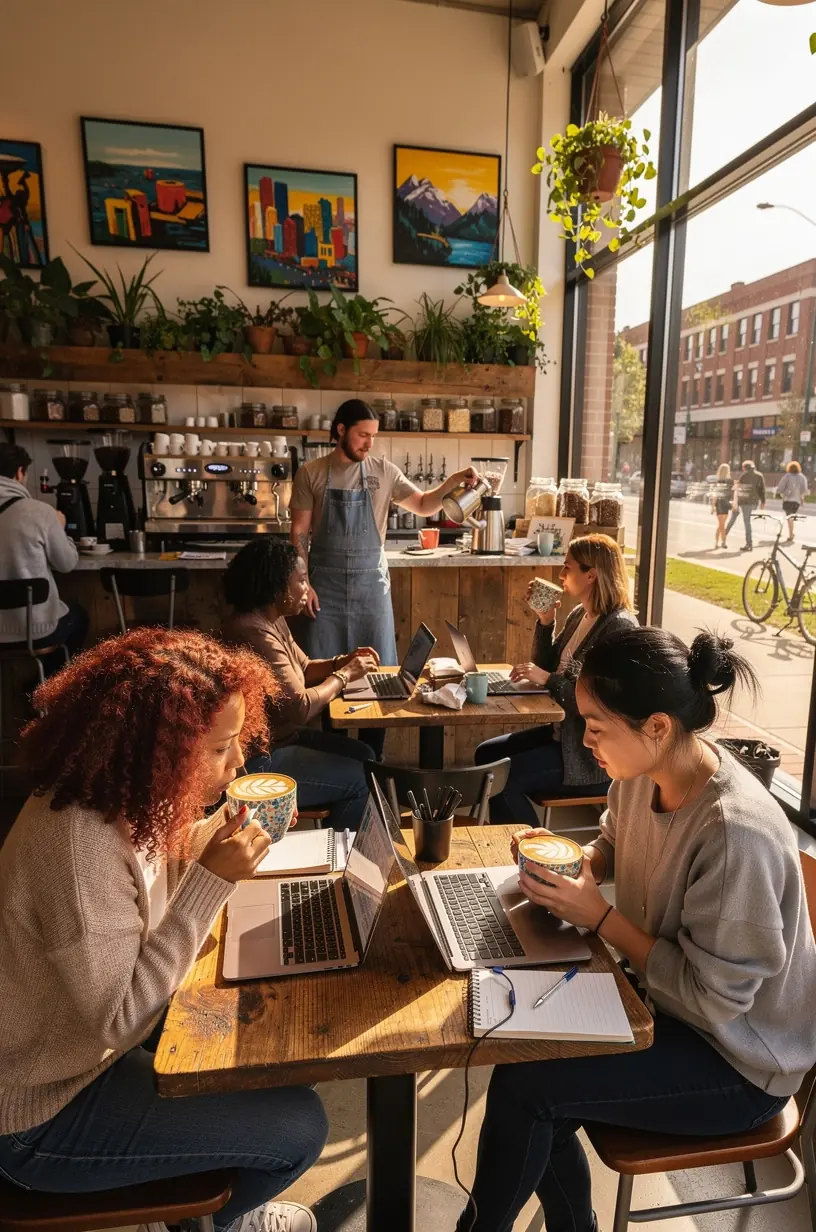
- Co-Working Spaces: There has been a notable increase in the number of co-working spaces. According to research, these spaces can enhance productivity by providing an environment conducive to collaboration and innovation.
- Housing Trends: Short-term rentals and flexible living arrangements are becoming increasingly popular. Many urban centers are seeing a boost in the rental market as digital nomads often prefer flexibility over long-term leases.
- Local Economies: Cities are leveraging the influx of digital nomads to bolster local economies. Reports indicate that neighborhoods frequented by remote workers often see increased spending in local businesses, from cafes to retail shops.
Challenges and Considerations
While the benefits of digital nomadism are significant, there are challenges that both nomads and cities must acknowledge:
- Infrastructure Needs: Urban areas may need to improve their internet connectivity and public amenities to cater to remote workers effectively.
- Community Integration: Integrating digital nomads into local communities can be challenging. Many cities are exploring ways to welcome these individuals while maintaining their unique cultural identities.
- Environmental Impact: Increased travel can lead to greater environmental concerns. Cities and nomads alike are being urged to consider sustainable practices in their lifestyles.
Conclusion
The rise of digital nomadism is undeniably reshaping city lifestyles in the U.S. While this trend presents various opportunities for urban transformation, it also comes with challenges that require careful consideration. By understanding and adapting to these changes, cities can foster a vibrant community that embraces both local residents and the growing population of digital nomads.