Understanding Local Craft Markets and Their Growth
The vibrant scene of local craft markets has garnered increasing attention across the United States. This article explores the factors contributing to their growth and their impact on communities.
What Are Local Craft Markets?
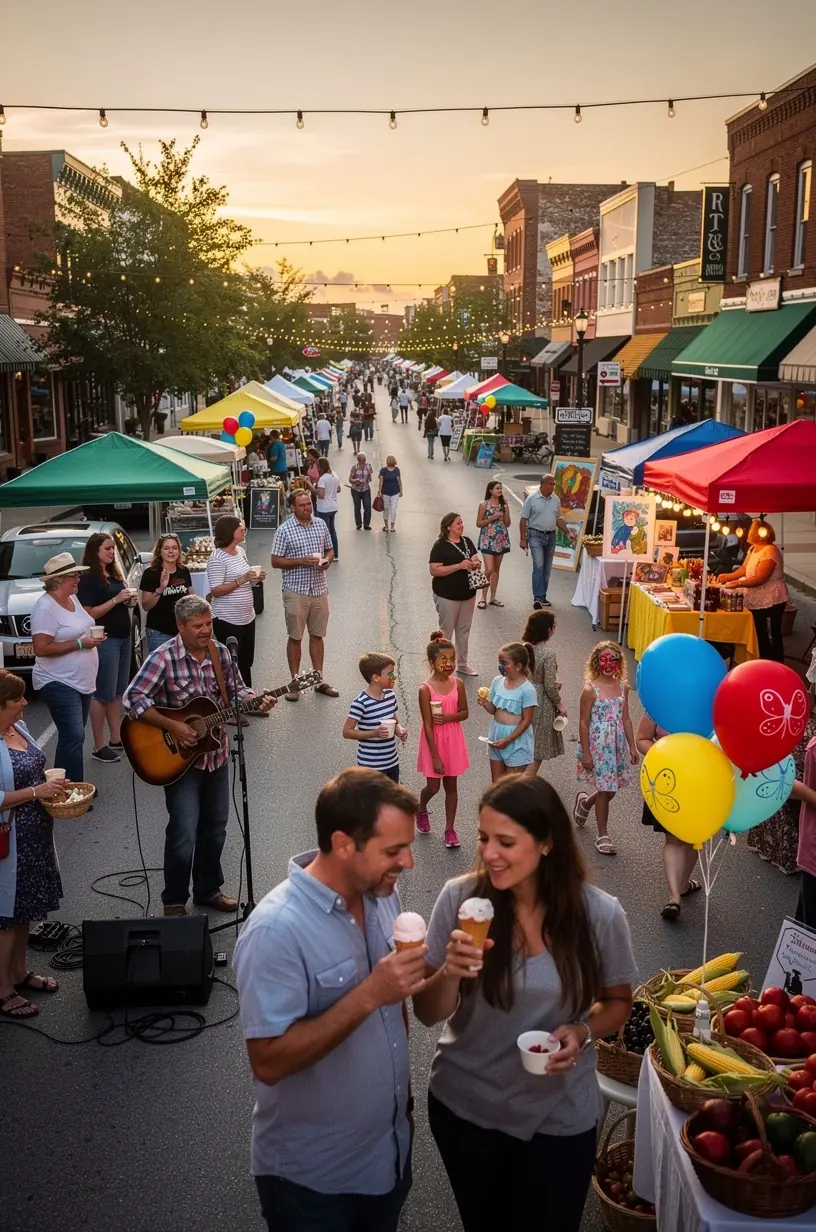
Local craft markets are venues where artisans and crafters sell handmade goods, artwork, and specialty foods directly to consumers. Typically held in community spaces such as parks, community centers, or vacant lots, these markets foster local commerce and community engagement.

Factors Fueling Growth
Several key factors are driving the expansion of local craft markets:
- Community Interest: Many consumers are increasingly interested in supporting local artisans. Research indicates that consumers are more likely to purchase from local vendors, viewing their products as unique and authentic.
- Shift Towards Sustainability: There is a growing preference for sustainable and ethically made products. According to industry experts, consumers often prioritize eco-friendly products, leading to a rise in local markets showcasing such goods.
- Online Market Influence: The growth of e-commerce has made artisans more aware of market trends and consumer preferences. Many vendors now utilize social media to promote their craft, driving foot traffic to local markets.
The Benefits of Local Craft Markets
Local craft markets offer numerous advantages, not only to artisans but also to the wider community:
- Economic Support: These markets contribute to local economies by keeping money within the community. Studies show that localized spending can have a multiplier effect, benefiting various sectors.
- Social Connections: Craft markets act as social hubs, where individuals connect over shared interests in arts and crafts. This fosters a sense of community and belonging.
- Creativity and Innovation: Local markets encourage creativity among artisans by providing a platform for them to showcase their work and gain direct feedback from consumers. This interaction can inspire innovation and improvements in their craft.
Challenges Faced by Local Craft Markets
While the growth of local craft markets is promising, they are not without challenges:
- Regulatory Hurdles: Vendors often face local regulations that can complicate operations, such as permits and zoning laws. Understanding these requirements is crucial for market organizers.
- Seasonality: Many craft markets are seasonal, which can lead to inconsistent income for vendors. This variability can create financial uncertainty.
- Market Saturation: As more artisans enter the scene, the competition can increase, making it essential for vendors to differentiate their products effectively.
"Supporting local craft markets not only boosts the economy but also enhances community engagement and creativity." - Local Business Expert
Conclusion
Local craft markets represent a dynamic aspect of community culture in the U.S., fostering economic growth and social interaction. While they do face challenges, the potential benefits for artisans and the community are significant. By understanding these markets, stakeholders can better navigate their complexities and contribute to their success.