Exploring the Transformation of Public Spaces Post-COVID
The COVID-19 pandemic has profoundly affected how communities interact with public spaces. As we emerge from lockdowns, it's essential to understand the shifts in design, usage, and community behavior that characterize this transformation.
The Impact of COVID-19 on Public Spaces
According to research from the American Planning Association, public spaces have always played a pivotal role in community engagement. However, the pandemic has accelerated changes in their design and usage. Many experts emphasize that the health crisis has prompted urban planners to rethink safety and accessibility in public areas.

"The pandemic has reframed our understanding of public space as not just a place for gathering, but as an essential component of public health." - Urban Planning Expert
Key Transformations in Public Spaces
Several notable trends have emerged as communities adapt to new norms:
- Increased Green Spaces: Studies show that access to green areas can improve mental health and well-being. Post-COVID, cities are prioritizing parks and natural environments, leading to a reported increase in community usage.
- Flexible Design: Urban spaces are now being designed with versatility in mind. This means incorporating movable furniture and spaces that can easily transition between different uses, such as dining and social gatherings.
- Enhanced Safety Features: Incorporating features that promote social distancing has become standard. This includes wider pathways, outdoor seating, and improved sanitation facilities, which research indicates can lead to higher public confidence in using these spaces.
Community Behavior and Engagement
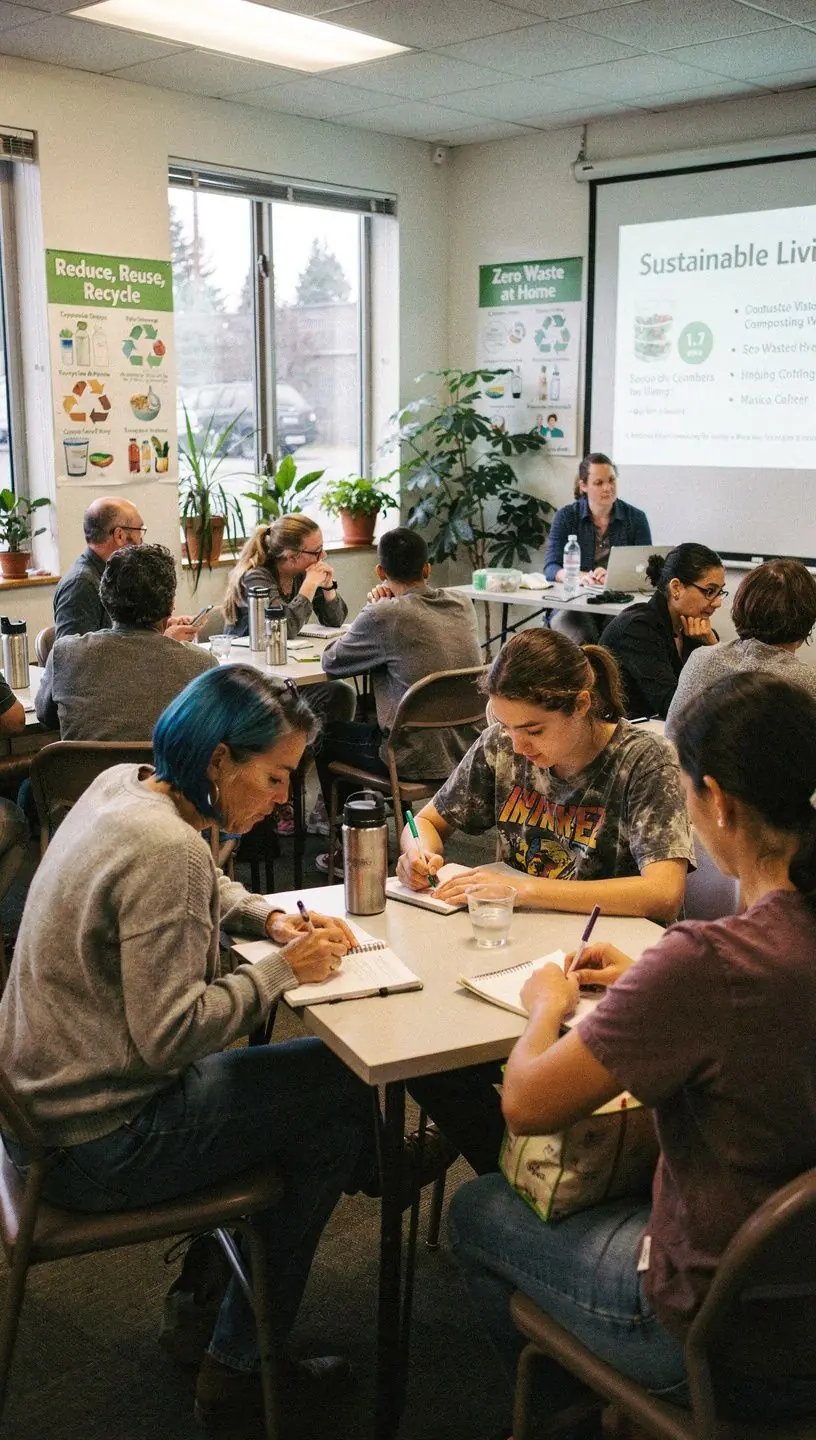
The transformation of public spaces is also reflected in changing community behavior. Many users report a shift towards valuing outdoor activities and community engagement as a response to lockdown experiences. Experts recommend that communities actively participate in the redesign process to ensure that public spaces meet local needs.
Participatory Design Approaches
One effective method being adopted is participatory design, where community members collaborate with planners. This approach can enhance the relevance and functionality of public spaces. According to industry experts, participatory design can lead to:
- Greater community ownership of public areas, leading to increased usage.
- Design solutions that are tailored to meet the needs of diverse populations.
- Enhanced local pride and investment in community well-being.
Challenges Ahead
While the changes in public spaces are promising, they also come with challenges. Transitioning to new designs often requires significant funding and time. Additionally, ensuring that these spaces are inclusive for all community members is crucial. Urban planners and community leaders must work diligently to identify funding opportunities and design strategies that address these issues.
Conclusion
As public spaces continue to evolve in the post-COVID landscape, understanding these transformations is vital for fostering community well-being and engagement. By focusing on evidence-based practices and encouraging community involvement, cities can create public spaces that not only meet the current needs but also anticipate future challenges.